
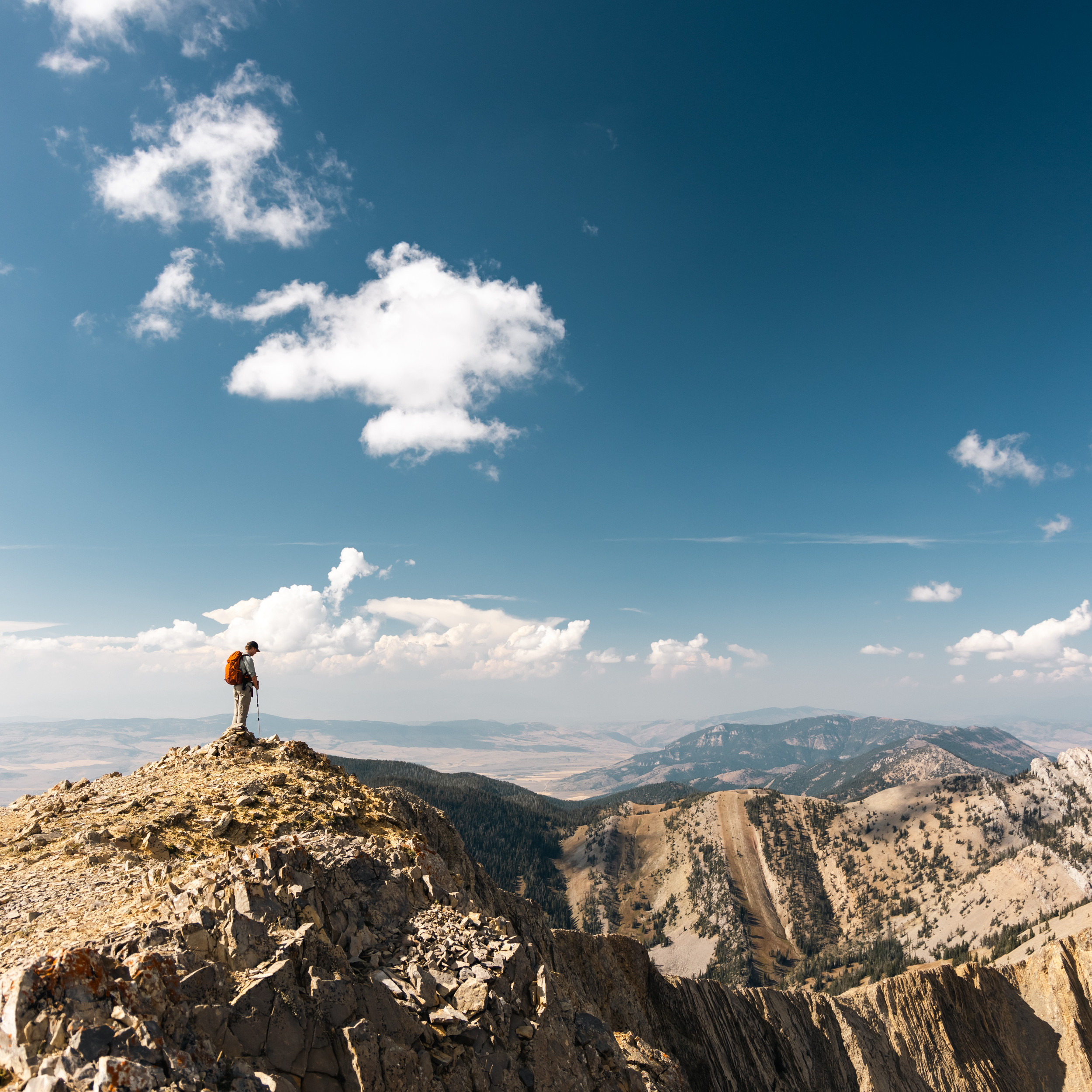
Montana is extraordinary — but it’s different. And thriving here requires more than loving the views.
Jamie Phillips, Sales Associate at Big Sky Sotheby’s International Realty and relocation expert, shares his top tips for preparing to move to Montana.

1. A Strong Investment Is About Location + Access
In markets like Bozeman, long-term value isn’t just about the home itself. It’s about year-round access, proximity to town, infrastructure, and how the property functions in winter. Land, privacy, and views matter — but convenience quietly drives appreciation. Properties with reliable roads, reasonable drive times, and access to services tend to hold value more consistently than those that feel isolated once winter arrives.
2. Visiting Is Not the Same as Living Here
A week in August feels idyllic. February tells a fuller story. Daily life includes snow removal, longer drives, and fewer immediate conveniences than a metropolitan city. The clients who flourish embrace that rhythm rather than resist it. Living here means planning around weather, valuing slower mornings, and appreciating the calm that comes with a quieter pace.
3. Community Is Everything
Beyond the home, buyers should evaluate proximity to schools, healthcare, airport access, and social circles. Montana feels expansive geographically — but socially, it’s deeply relational.
In towns like Bozeman, community is built through shared spaces, outdoor recreation, and local gathering places. Feeling connected to those circles can matter just as much as the property itself.
4. Travel Is Manageable — With Planning
Bozeman Yellowstone International Airport offers direct routes to major hubs, but spontaneity looks different than it does in Boston or New York. Those who travel frequently build structure into their schedules — planning flights ahead and allowing extra time for connections or winter weather.
5. The Buyers Who Thrive Here Value Space Over Stimulation.
The transition is most successful for those prioritizing lifestyle, outdoor access, and a quieter pace — not constant entertainment or immediate urban energy. The reward is space: space to move, to explore, and to reset. For many, the trade-off becomes clear quickly — less noise, more nature, and a daily environment that encourages time outside.
If I were advising a close friend?
Prioritize how you want your days to feel — not just how you want your house to look. In a place like Montana, lifestyle and landscape shape everyday life as much as the home itself.
Leave a Reply